 Share
Share

Before joint replacement is on the table, people may go through some pretty terrible pain. Yet, many people tough it out, downplaying chronic joint discomfort as part of aging, athletic wear-and-tear, or everyday life.
In the United States, joint pain is common among older adults. About 70% of people over 50 experience joint discomfort at least occasionally, and roughly 60% have been diagnosed with some form of arthritis.1 Despite the prevalence, people often delay seeking treatment until their pain becomes debilitating, sometimes missing an opportunity for earlier, more effective interventions.
Pain is a universal signal – an alert system that something isn’t right in your body. Persistent stiffness in the knees, hips, shoulders, or other major joints, swelling that comes and goes, or discomfort during activities that were once easy – these are all warnings that should not be ignored.
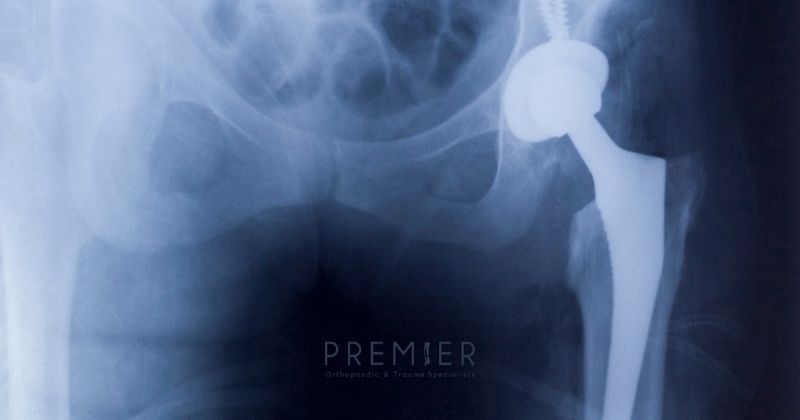
Joint replacement, also called arthroplasty, is a medically recognized solution when conservative treatments fail to provide relief.
When Does Joint Replacement Become an Option?
Joint replacement is generally considered when non-surgical treatments like medications, physical therapy, weight management, or joint injections no longer provide adequate relief. Common triggers for discussing joint replacement with a doctor include:
- Severe, persistent pain that interferes with daily activities such as walking, climbing stairs, or even getting out of bed.
- Limited range of motion, stiffness, or joint deformity that restricts your ability to perform normal tasks.
- Loss of independence, where basic daily activities like dressing, cooking, or household chores become increasingly difficult.
- Ineffectiveness of other treatments, including nonsteroidal anti-inflammatory drugs (NSAIDs) and corticosteroid injections.
Advanced joint damage, whether from osteoarthritis, rheumatoid arthritis, or post-traumatic injury, can lead to structural changes in the joint. Knees and hips are the most commonly replaced joints, but shoulders, elbows, and smaller joints in areas such as the fingers may also require surgical intervention when pain and dysfunction are severe.
Modern joint replacement surgery has come a LONG way, and is highly effective at relieving pain, improving function, and allowing patients to return to activities that were once restricted.
Pre-Hab with Lifestyle Adjustments
Preparing for joint replacement is just as important as the surgery itself. Making targeted lifestyle adjustments beforehand can optimize surgical outcomes, reduce complications, and even improve daily living while waiting for surgery.
Patients who enter surgery in better physical condition often experience shorter hospital stays and need fewer outpatient rehab sessions. Research shows that patients who engaged in strength, aerobic, and flexibility exercises prior to knee or hip replacement were up to 73% less likely to require inpatient rehabilitation post-surgery.2 If you have access to a pool, water-based exercises can be especially beneficial, easing stress on the joints while boosting circulation and nutrient delivery to the joint and surrounding tissues.
Engaging in a pre-surgical exercise routine and strengthening the muscles surrounding the affected joint improves stability and supports proper movement after surgery.
Tips:
- Focus on low-impact exercises that don’t aggravate the joint.
- Incorporate gentle stretching to maintain flexibility.
- Consider working with a physical therapist to create a safe, tailored routine.
Carrying extra weight also places added stress on already compromised joints, particularly the knees and hips. Losing even a modest amount of weight can ease joint pressure, reduce inflammation, and decrease pain.
A well-balanced diet rich in protein, vitamins, and minerals supports tissue repair, immune function, and overall healing. Eating minimally processed foods and getting the nutrients you need before surgery can enhance the body’s resilience, improve energy levels, and reduce the risk of post-operative complications. Hydration also aids in recovery, supporting circulation and joint lubrication.
Managing chronic conditions such as high blood pressure, diabetes, or heart disease before surgery is also likely a topic you’ll discuss with your surgeon. Pre-surgical assessments help confirm these conditions are well-controlled, lowering the risk of complications during the operation and supporting smoother healing afterward. Be sure to discuss all medications with your surgeon to determine if adjustments are necessary.
Thinking ahead and preparing your home for post-surgery accessibility can ease recovery, and your future self may thank you for it. Simple changes, such as installing handrails, removing loose rugs, and keeping frequently used items within easy reach, can prevent falls and allow for independent movement when mobility is limited. Planning ahead reduces stress and makes daily life easier during the early stages of recovery.
Tips:
- Ensure hallways and pathways are clear of clutter.
- Set up a comfortable resting area on the main floor if stairs are difficult.
- Consider raised toilet seats or shower chairs.
Making these pre-surgery adjustments not only improves the likelihood of a successful joint replacement but can also reduce pain and ease the emotional burden of limited mobility during recovery.
Recovery and Long-Term Care
Joint replacement is major surgery, and recovery involves more than just healing from the incision – full recovery can take several months. Most patients gradually resume daily activities within 6 to 12 weeks, but regaining full strength and mobility may take up to six months or longer, depending on the joint replaced, your overall health, and adherence to post-surgery recommendations.
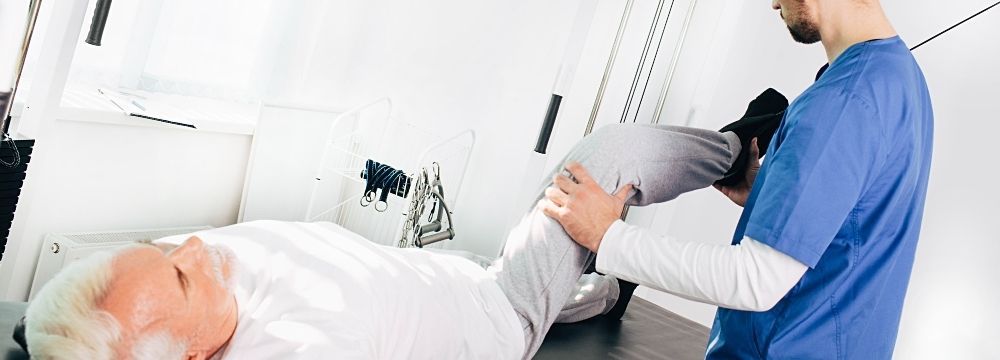
Post-operative rehabilitation is highly recommended to regain mobility, strength, and flexibility. Therapists guide patients through structured exercises in a controlled setting and provide home-based routines that progress toward independent movement. These exercises help retrain muscles, improve joint alignment, and restore range of motion, making everyday activities easier and safer.
As you advance through physical therapy and home exercises, your therapist and surgeon will gradually clear activities that are safe to resume. Walking, gentle stretching, and low-impact exercise help maintain joint function without overloading the new implant, while high-impact activities like running or contact sports should be avoided until your physician gives approval.
Though joint replacement aims to eliminate chronic joint pain, some post-surgical discomfort is normal. Following your physician’s recommendations for medications, ice, and elevation while avoiding repetitive and high-impact activities that stress the replaced joint reduces strain and lowers the risk of complications.
Consistent, targeted exercises after surgery keep the new joint and surrounding tissues pliable and flexible, prevent stiffness, strengthen supporting muscles, and reduce the risk of complications such as scar tissue buildup. Your commitment to strength training preserves mobility and optimizes long-term performance of the replaced joint.
Recognizing That Pain Isn’t Normal
A common misconception is that joint pain is simply a part of aging or something to “live with.” Persistent or worsening pain is never normal, and ignoring it can lead to joint damage, decreased mobility, and poor quality of life. Pain is your body’s signal that something is wrong, whether due to arthritis, injury, or other joint conditions.
Early consultation with an orthopedic specialist can preserve joint function and prevent further degeneration. A thorough evaluation allows for accurate diagnosis and opens the door to treatment options, ranging from medications and physical therapy to minimally invasive procedures and joint replacement surgery.
At Premier Orthopaedic & Trauma Specialists, our team provides comprehensive care, combining advanced surgical techniques, physical therapy, and lifestyle guidance. From initial evaluation to post-surgery rehabilitation, we focus on restoring mobility, reducing pain, and helping you reclaim your independence.
If chronic joint pain is limiting your daily life, don’t wait. Contact Premier Orthopaedic & Trauma Specialists today to schedule a consultation and explore your treatment options.
- University of Michigan Institute for Healthcare Policy and Innovation. “Poll: Aching Joints Make Older Adults Reach for Many Forms of Pain Relief – but Health Risks Could Follow.” Institute for Healthcare Policy & Innovation, 12 Sept. 2022, ihpi.umich.edu/news-events/news/poll-aching-joints-make-older-adults-reach-many-forms-pain-relief-health-risks.
- Arthritis Foundation. “Pre-Hab for Surgery | Arthritis Foundation.” Www.arthritis.org, 2021, www.arthritis.org/health-wellness/treatment/joint-surgery/preplanning/pre-hab-for-surgery.