Osgood-Schlatter Disease (traction apophysitis) is an overuse injury that causes anterior knee pain in adolescents. It develops during growth spurts, when bones grow faster than muscles, and it can affect up to 21% of adolescents, with higher incidence in athletic children aged 8 to 15 who participate in running and jumping sports.1


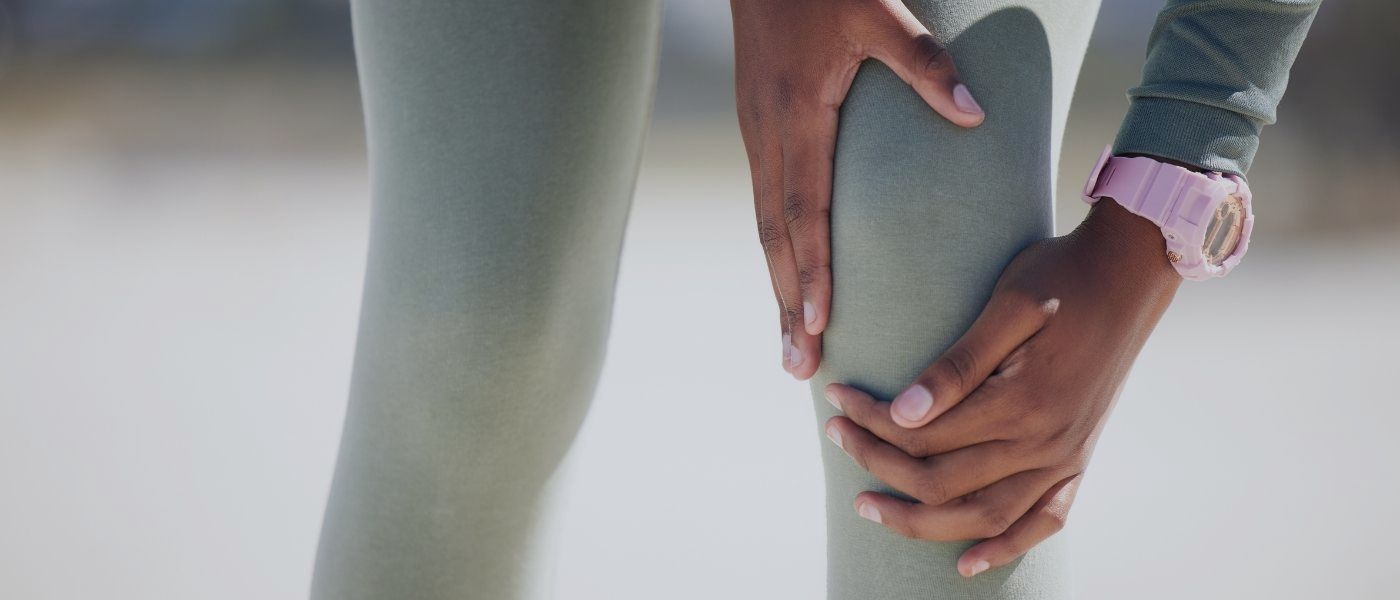
Osgood-Schlatter Disease
Causes
The large quadriceps muscles on the front of the thigh attach to the shin bone (tibia) via the patellar tendon. That tendon anchors at the tibial tubercle, which is still a soft growth plate during puberty. During a growth spurt, the bone grows faster than the surrounding soft tissue, putting extra tension on the patellar tendon. Repetitive running or jumping can overstress this area, causing tiny micro-injuries and inflammation that result in a painful, enlarged bump at the tibial tubercle.
Symptoms
- A painful, tender bump just below the kneecap.
- Pain that worsens with activity (running, jumping, kneeling) and improves with rest.
- Tightness in the quadriceps and hamstrings.
Diagnosing
Diagnosis begins with a physical examination and a review of activity history. Your orthopedic provider evaluates the hallmark symptoms: pain over the tibial tubercle, swelling, and discomfort that worsens with running, jumping, or kneeling.
However, X-ray or ultrasound might also be used to confirm the diagnosis or rule out other conditions such as fractures, tumors, infections, or patellar tendinitis. In Osgood-Schlatter Disease, imaging may show fragmentation or irregularity of the tibial tubercle growth plate. An MRI is rarely needed but may be ordered if pain is severe, atypical, or does not improve with rest, to evaluate the tendon and surrounding soft tissue.
Treatments
The condition is generally self-limiting, meaning it resolves once the child stops growing and the growth plate closes (ossifies).
Conservative Treatment
- Activity modification: Reducing running, jumping, and repetitive kneeling decreases tension on the patellar tendon and allows the irritated growth plate to settle. (Activity does not need to cease.)
- Stretching: Stretching tight quadriceps and hamstrings reduces the tension pulling on the growth plate.
- Bracing and taping: The use of a brace or kinesiology tape may help redistribute force during activity. A Cho-Pat–style strap, worn just below the kneecap, applies gentle pressure to the tendon to reduce traction on the tibial tubercle and can make running and jumping more comfortable.
- Ice and anti-inflammatories: Ice after activity and short-term NSAID use help reduce pain and swelling.
- Strengthening: Building hip and core strength improves knee mechanics and reduces strain on the patellar tendon.
- Physical therapy: A structured program focusing on flexibility, eccentric strengthening, and gradual return to sport is highly effective.
(Injectable treatments are not used for Osgood-Schlatter Disease, since the issue stems from an open growth plate.)2
Surgical Treatment
Surgery is rarely required, and is reserved for older adolescents who have persistent symptoms after the growth plate has closed.
Tibial tubercle debridement or other orthopedic procedures may be discussed if pain is severe or persists past skeletal maturity. A surgeon can remove it and smooth the area in an outpatient procedure with a straightforward recovery.
- van Leeuwen, G. J., de Schepper, E. I., Rathleff, M. S., Bindels, P. J., Bierma-Zeinstra, S. M., & van Middelkoop, M. (2022). Incidence and management of Osgood-Schlatter disease in general practice: retrospective cohort study. The British journal of general practice : the journal of the Royal College of General Practitioners, 72(717), e301–e306. https://doi.org/10.3399/BJGP.2021.0386.
- Corbi, F., Matas, S., Álvarez-Herms, J., Sitko, S., Baiget, E., Reverter-Masia, J., & López-Laval, I. (2022). Osgood-Schlatter Disease: Appearance, Diagnosis and Treatment: A Narrative Review. Healthcare (Basel, Switzerland), 10(6), 1011. https://doi.org/10.3390/healthcare10061011.