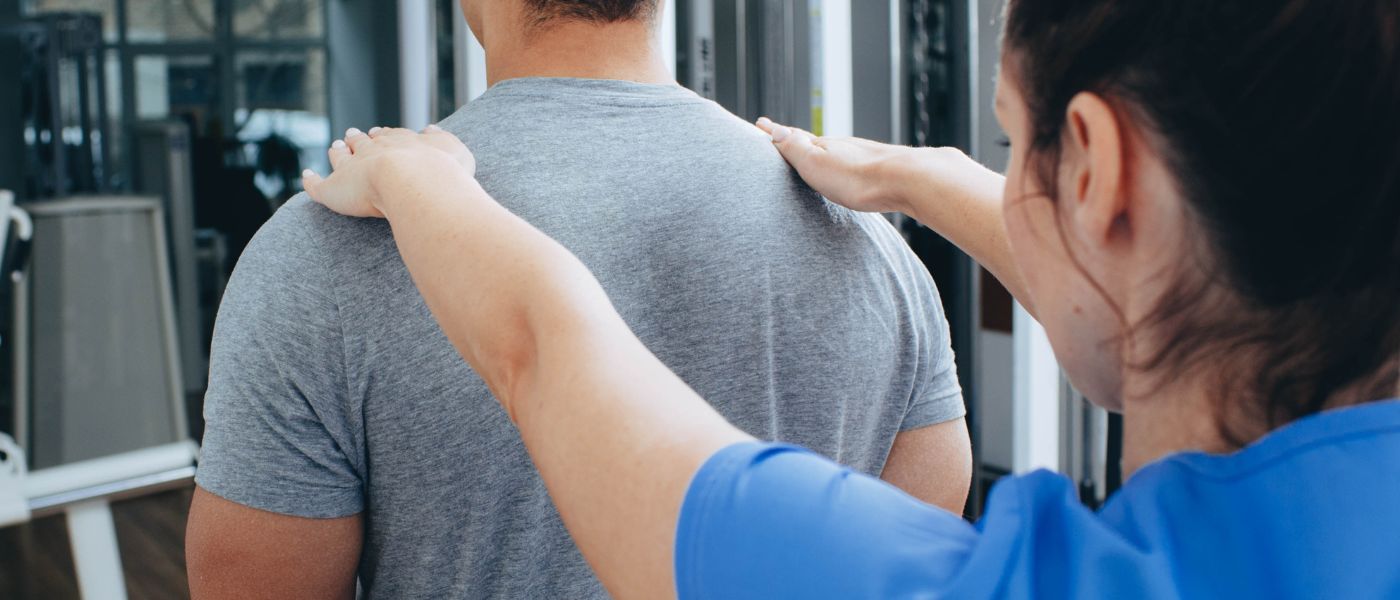
How PT Helps
A Physical Therapist assesses each patient’s needs based on a medical history and physical exam. Treatment programs are customized to assist each patient in returning to normal function, resuming activities without pain, and, in some cases, eliminating the need for surgery.
Spinal Manipulation Therapy (SMT): Similar to chiropractic manipulation, a properly trained Physical Therapist uses high-velocity, low-amplitude (HVLA) thrust for patients with restricted motion or altered biomechanics to improve joint mobility, balance muscle tone, affect movement patterns, and modulate pain. PT spinal manipulation is not fundamentally different from chiropractic manipulation, and the difference lies in training background and treatment philosophy.
Strengthening: Core muscle-strengthening exercises provide the upper body with better balance, movement, and healthy force transfer through the musculature during impact and weight-bearing activities. The muscles that support the function of the upper body and spine are:
- Erector spinae: These muscles straighten and rotate the spine. The erector spinae and glutes work together to support posture and maintain spinal stability during movement.
- Lumbar multifidus: These deep spinal muscles stabilize the vertebrae in the lower back, supporting posture and controlling small movements between individual spinal segments.
- Transverse abdominis: Deep abdominal muscles that work to stabilize the pelvis, support the spine, and hold internal organs in place.
- Rectus abdominis: The “six pack” muscle allows the torso to bend forward and sideways, while also helping to stabilize the trunk.
- Obliques: These muscles on the sides of the abdomen work together to rotate and bend the trunk, assist with side bending, and help stabilize the spine during movement.
- Diaphragm: This internal, dome-shaped muscle separates the thoracic cavity (heart and lungs) from the abdominal cavity and moves air into the lungs during breathing.
- Quadratus lumborum: These muscles aid in extension and laterally bending the lumbar spine, as well as stabilize the pelvis and lower back during movement.
- Latissimus dorsi: The primary function of this muscle is the movement of the arm – specifically extending, adducting, and internally rotating the shoulder.
- Gluteus maximus: This large muscle in the buttocks extends and externally rotates the thigh, helping with movements like standing up, climbing stairs, and maintaining upright posture.
- Gluteus medius: This muscle abducts the thigh, stabilizes the pelvis during walking, and assists with internal and external rotation depending on hip position.
- Gluteus minimus: The smallest and deepest of the three gluteal muscles, it works with the gluteus medius to abduct the thigh and keep the pelvis level during movement, and contributes to internal rotation of the hip.
- Trapezius: This large upper-back muscle helps move the head and controls the shoulder blades, lifting, rotating, and stabilizing them during arm and neck movements.
- Bracing: A Physical Therapist may recommend a brace to support and/or protect the spine, based on the injury and mechanism of pain.
Other treatment recommendations may include activity modification, heat and/or ice, and topical or oral medications to reduce inflammation and improve pain. A Physical Therapist may also suggest engaging in activities like yoga or pilates to improve flexibility, core strength, balance, and postural control while reducing muscle tension, supporting spinal alignment through better mechanics, and enhancing overall body awareness to prevent recurrent neck and back pain.
By targeting the muscles, joints, and movement patterns that support the spine, physical therapy helps patients regain mobility, reduce pain, improve posture, and increase quality of life. Early evaluation and individualized treatment increase the likelihood of lasting relief and can reduce the need for more invasive interventions.