
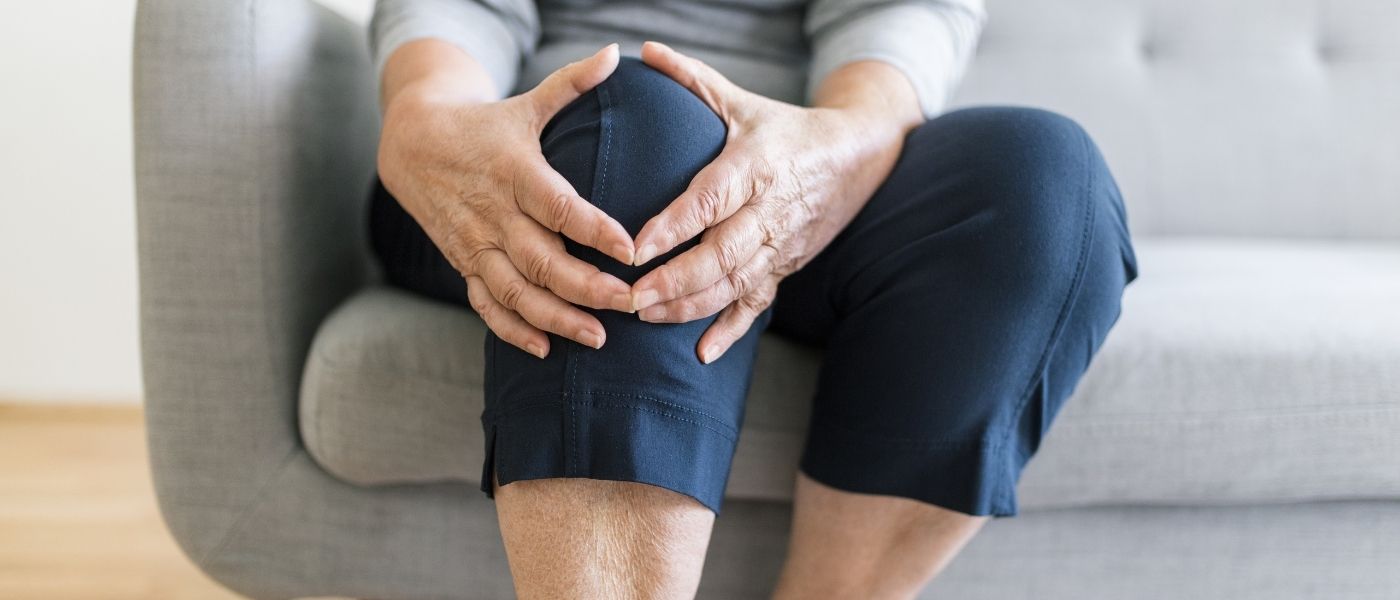
Osteoarthritis (OA) of the knee—also known as degenerative joint disease (DJD)—is the progressive breakdown of the knee joint components over time, and is the most common type of arthritis. This can result from normal wear and tear (primary OA) or occur as the result of a specific knee injury earlier in a person’s life (secondary OA). Other forms affecting the knee include Rheumatoid Arthritis (RA), an autoimmune disease that attacks the synovial membrane, and Post-Traumatic Arthritis, which is the accelerated onset of arthritis following a severe injury to the joint.
While not always symptomatic, osteoarthritis that causes pain or a decrease in function is most common, affecting 22% of individuals over the age of 60.1 The incidence in women can be almost four times higher than that of men, especially after menopause.2 There is currently no cure for arthritis, but there are various conservative and surgical treatment options to manage the condition.
To understand OA, it helps to know the anatomy of the knee joint. The knee is the largest hinge joint in the body and is primarily limited to flexion (bending) and extension (straightening) movements. It’s where the lower end of the femur (thigh bone) meets the upper end of the tibia (shin bone), and sitting in front of their union is the patella (kneecap).
Articular cartilage covers the ends of these bones to create a smooth, slippery surface for them to glide against one another. Additionally, the menisci—two wedge-shaped pieces of fibrocartilage on either side of the knee—create a cushion between the femur and tibia to absorb the shock of weight-bearing activities. The synovial membrane covers the joint surface and provides lubrication to the cartilage. The breakdown of this cartilage and the underlying bone leads to arthritis.